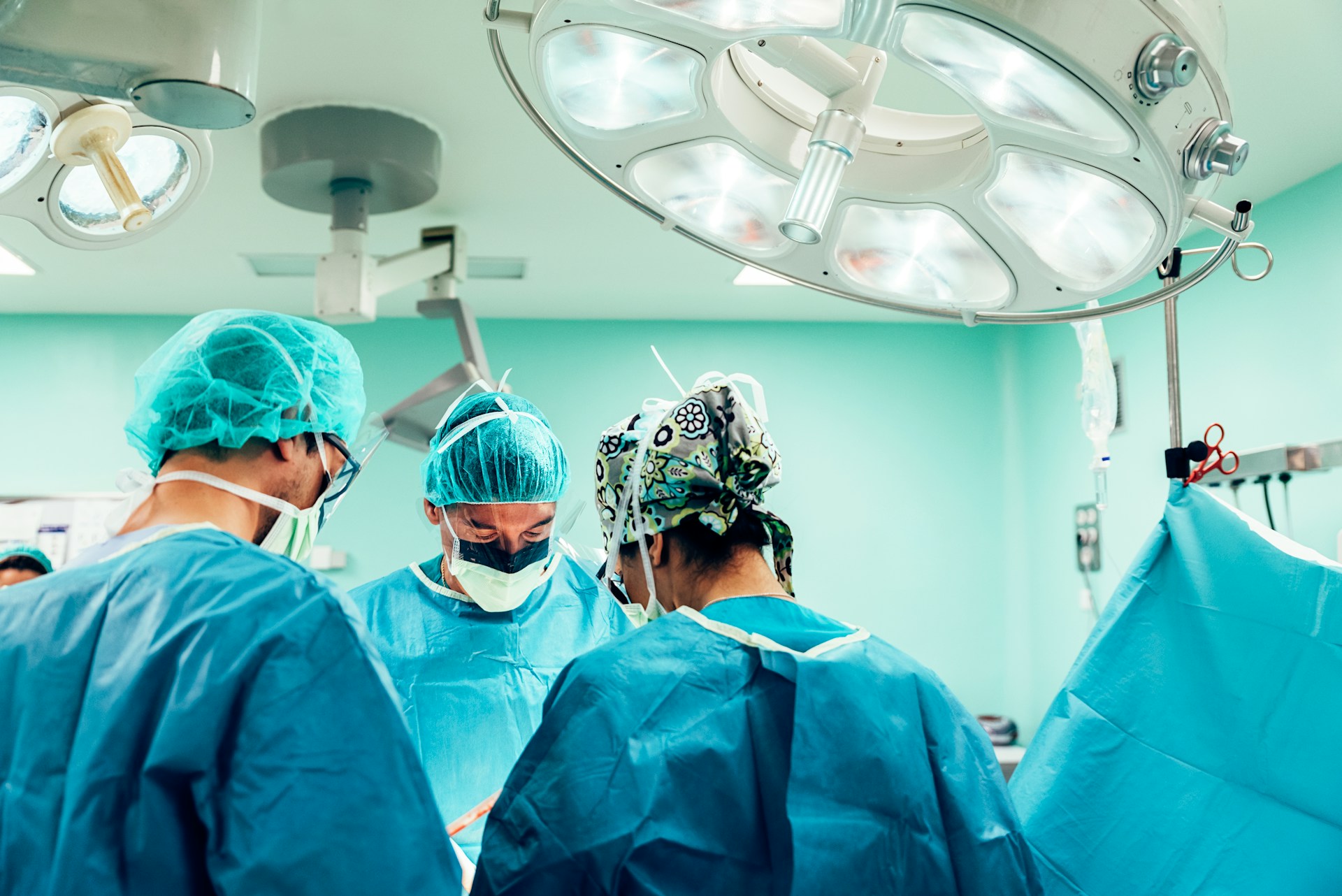
Choosing a surgical specialty is one of the biggest decisions in medical school. Many students explore different rotations before committing to a demanding field. For those drawn to heart and lung surgery, integrated thoracic surgery residency programs offer a direct, focused training path right after medical school.
This structured pathway allows future surgeons to begin specialized cardiothoracic training earlier than the traditional route. Instead of completing five years of general surgery before applying for a fellowship, residents enter a six-year program that blends general and thoracic surgery education. As a result, they gain early exposure to complex heart and lung procedures while building strong foundational skills.
Understanding the Integrated Training Model
The integrated model was developed to streamline surgical education. In the past, aspiring cardiothoracic surgeons first completed a full general surgery residency. Only after that could they pursue a separate fellowship in thoracic surgery.
However, integrated thoracic surgery residency programs combine these phases into one continuous experience. Residents begin focused cardiothoracic exposure in their first year while still mastering essential surgical techniques. This approach shortens the total training timeline and builds specialty-specific confidence much earlier.
Because the curriculum is designed as a single track, learning feels more connected. Each year builds directly on the last, and faculty mentors guide residents through a clear progression of responsibility.
Program Length and Year-by-Year Structure
Most integrated programs last six years. The first two years focus on core surgical skills, critical care, and foundational anatomy. Residents rotate through general surgery services to strengthen technical ability and clinical judgment.
During years three and four, exposure to cardiac and thoracic procedures increases. Residents assist with coronary bypass surgeries, valve repairs, lung resections, and minimally invasive techniques. They also spend time in cardiothoracic intensive care units to manage complex postoperative patients.
By the fifth and sixth years, residents take on leadership roles in the operating room. They perform advanced procedures under supervision and refine decision-making skills. This step-by-step progression ensures that graduates are prepared for independent practice.
Admission Requirements and Competitiveness
Integrated thoracic surgery residency programs are highly competitive. Applicants must demonstrate strong academic performance, excellent board scores, and a clear commitment to the specialty.
The second sentence in this paragraph highlights tips for cardiothoracic surgery residency applications. Early research involvement, meaningful mentorship, and away rotations in thoracic surgery departments often strengthen an application. Programs look for candidates who show maturity, resilience, and genuine passion for heart and lung care.
Strong letters of recommendation from cardiothoracic surgeons are essential. In addition, personal statements should reflect a deep understanding of the specialty’s demands. Because this pathway requires early commitment, programs want applicants who are certain about their career choice.
Clinical Skills Developed During Training
Residents develop a wide range of technical skills. These include performing coronary artery bypass grafting, valve replacement, lung cancer resections, and managing mechanical circulatory support devices. Over time, hand skills and spatial awareness improve through repetition and structured feedback.
However, technical ability alone is not enough. Residents must also learn effective communication. They discuss complex procedures with patients and families in clear language. They coordinate with anesthesiologists, nurses, and intensive care teams to ensure safe outcomes.
Decision-making under pressure becomes a core strength. Because cardiothoracic surgery often involves high-risk cases, residents learn to stay calm and focused in urgent situations.
Career Paths After Graduation
Graduates of integrated thoracic surgery residency programs enter diverse career settings. Some join academic medical centers where they combine surgery, research, and teaching. Others work in private practice or specialized heart institutes.
The second sentence in this paragraph features advanced cardiothoracic surgical training. Many surgeons pursue additional fellowships in subspecialties such as congenital heart surgery, heart failure and transplant, or minimally invasive thoracic procedures. This further specialization expands expertise and career opportunities.
Board certification follows completion of residency and required examinations. Continuing medical education remains essential throughout a surgeon’s career. Medicine evolves rapidly, and lifelong learning ensures high-quality patient care.
Research and Academic Opportunities
Most integrated programs encourage research participation. Residents may dedicate specific months to clinical studies, surgical innovation projects, or quality improvement initiatives.
Research strengthens critical thinking and keeps surgeons engaged with emerging knowledge. For example, studies on minimally invasive heart surgery techniques or transplant outcomes often shape future practice. Presenting findings at national conferences also builds professional networks.
Academic involvement can open doors to careers in teaching hospitals or leadership roles. Many graduates continue to mentor students and advance surgical practice throughout their careers.
Lifestyle, Workload, and Wellness
Thoracic surgery is demanding, both physically and mentally. Long operating hours and emergency cases require stamina. However, residency programs now emphasize wellness and structured support systems.
Duty hour regulations help protect resident health. In addition, many programs offer wellness resources such as counseling services and peer support groups. These efforts aim to reduce burnout while maintaining high training standards.
Although the workload is intense, many residents describe deep satisfaction in their work. Restoring heart function or removing a life-threatening lung tumor provides meaningful purpose. This sense of impact often outweighs the challenges.
Advantages of Choosing the Integrated Route
The integrated pathway offers several benefits. First, it reduces the total training time compared to traditional routes. Second, it allows earlier immersion in cardiothoracic procedures.
Residents also build stronger relationships with faculty mentors over six years. This continuity supports skill development and professional growth. Because training is focused from the beginning, graduates often feel well prepared for independent practice.
However, the pathway requires early certainty. Students must decide during medical school that cardiothoracic surgery is their long-term goal.
Is This Specialty the Right Fit
Before applying, students should reflect carefully. Cardiothoracic surgery involves complex anatomy, long procedures, and high-stakes outcomes. It demands precision, emotional resilience, and strong teamwork.
Shadowing practicing surgeons and speaking with current residents can provide valuable insight. If you feel energized by operating room environments and the challenges of critical care, this field may align with your strengths.
In the end, integrated thoracic surgery residency programs offer a comprehensive and efficient route into one of medicine’s most advanced specialties. Through structured education, mentorship, and progressive responsibility, they prepare dedicated physicians to lead in heart and lung surgery. For those ready to commit, this pathway provides a powerful foundation for a lifelong career in saving lives.