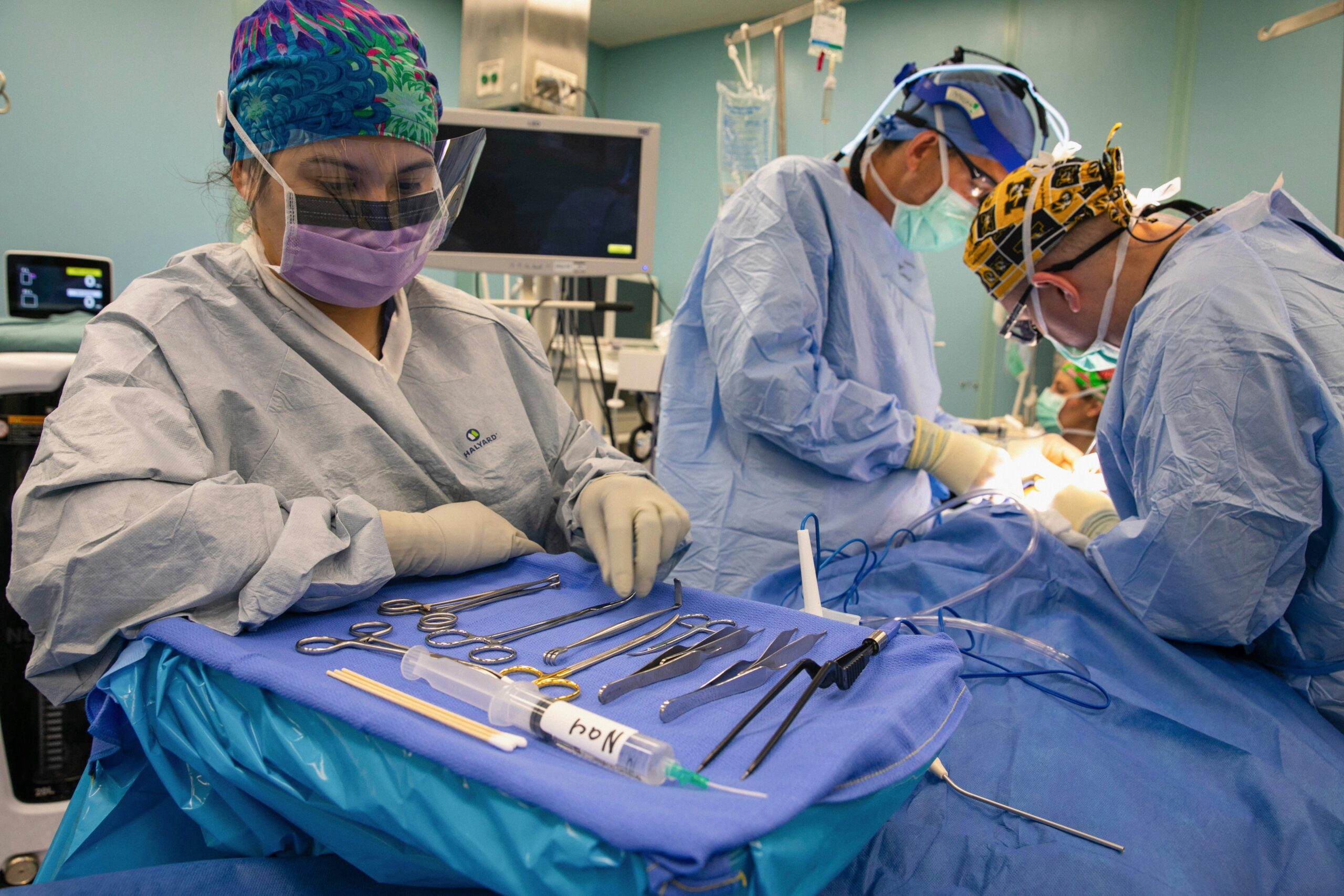
Women in cardiothoracic surgery continue to transform a specialty that has historically lacked gender diversity. As more women enter surgical training programs, they bring talent, resilience, and innovation to complex heart and lung procedures. Moreover, their presence strengthens patient care by expanding perspectives within operating rooms and academic institutions. As a result, the profession becomes more dynamic and inclusive.
In addition, increased representation encourages young medical students to consider careers in cardiothoracic surgery. Because role models play a powerful role in career decisions, visibility matters greatly. Therefore, when women succeed in leadership and surgical excellence, they inspire the next generation. Through persistence and achievement, they demonstrate that skill and dedication define success, not gender.
Education, Training, and Early Career Development
The journey into cardiothoracic surgery begins with rigorous medical education and competitive residency training. Women who pursue this specialty commit to years of focused study, clinical practice, and technical development. Moreover, they excel in demanding environments that require precision, endurance, and critical thinking. As they progress, they refine their surgical abilities while managing complex patient cases.
Furthermore, mentorship significantly influences early career development. When senior surgeons provide guidance and constructive feedback, trainees gain confidence and direction. Because supportive mentorship improves retention and performance, institutions benefit from structured guidance programs. Therefore, fostering strong mentor relationships helps women thrive during residency and beyond, strengthening both individual careers and the specialty as a whole.
Overcoming Challenges and Institutional Barriers
Although progress has increased representation, challenges still exist in cardiothoracic surgery. Women often navigate long training hours, competitive fellowships, and high-performance expectations. Moreover, balancing professional responsibilities with personal commitments can require careful planning and support. As a result, institutional flexibility becomes important for sustained success.
In addition, unconscious bias and limited access to leadership opportunities may affect advancement in some environments. Because awareness drives change, many institutions now implement policies that promote equity and inclusion. Therefore, transparent evaluation processes and fair promotion standards help reduce disparities. Through intentional reform, the field continues moving toward greater equality and opportunity for all surgeons.
Leadership and Academic Contribution
Women in cardiothoracic surgery increasingly hold leadership roles in hospitals, universities, and professional organizations. As department heads, program directors, and committee leaders, they influence training standards and clinical protocols. Moreover, they contribute to research initiatives that advance surgical techniques and patient outcomes. Consequently, their leadership strengthens both education and patient care.
Furthermore, academic engagement enables women surgeons to shape the specialty’s future. They publish research, present at conferences, and mentor students who aspire to follow similar paths. Because scholarly activity drives innovation, their contributions expand scientific knowledge. Therefore, academic leadership enhances visibility while reinforcing professional excellence.
Innovation and Technical Excellence
Technical skill remains central to cardiothoracic surgery, and women surgeons demonstrate exceptional proficiency in complex procedures. They perform operations involving coronary artery bypass, valve repair, lung resection, and advanced minimally invasive techniques. Moreover, they adapt to evolving technologies that improve precision and patient recovery. As a result, patients receive high-quality care supported by innovation.
In addition, women contribute to advancements in robotic-assisted surgery and enhanced imaging systems. Because modern procedures demand adaptability, surgeons who embrace technology strengthen outcomes. Therefore, participation in research and device development allows women to shape future surgical tools. Through innovation and collaboration, they help refine standards of care within the specialty.
Mentorship, Community, and Professional Networks
Professional networks play a vital role in supporting women in cardiothoracic surgery. These communities create opportunities for collaboration, education, and leadership development. Moreover, they foster connections among surgeons at different stages of their careers. As a result, members share experiences and strategies that enhance growth.
Furthermore, mentorship networks encourage resilience and confidence. Because shared experiences reduce isolation, women benefit from peer support and guidance. Therefore, structured mentorship programs help sustain long-term engagement in the field. Through collaboration and encouragement, professional communities strengthen both individual careers and the broader surgical workforce.
Work-Life Integration and Career Sustainability
Work-life integration remains an important consideration in demanding surgical specialties. Women in cardiothoracic surgery manage intensive schedules while maintaining personal and family commitments. Moreover, institutions increasingly recognize the value of supportive policies that promote flexibility and well-being. As a result, surgeons can sustain long and productive careers.
In addition, cultural shifts within healthcare encourage balance and wellness. Because burnout affects all physicians, leadership strategies that prioritize mental health benefit the entire workforce. Therefore, supportive scheduling, parental leave policies, and wellness initiatives contribute to career longevity. Through thoughtful planning and institutional commitment, cardiothoracic surgery becomes more sustainable for everyone.
Inspiring the Next Generation
Representation strongly influences the decisions of future medical professionals. When students observe women excelling in cardiothoracic surgery, they recognize new possibilities. Moreover, visibility demonstrates that success in this field depends on preparation, dedication, and expertise. As a result, more diverse candidates feel encouraged to apply for competitive programs.
Furthermore, outreach initiatives at medical schools and conferences raise awareness of opportunities in the specialty. Because mentorship begins early, engagement during training helps build interest. Therefore, speaking engagements, workshops, and educational events expand understanding of the field. Through consistent encouragement, women surgeons inspire confidence in aspiring trainees.
The Impact on Patient Care
Diversity within cardiothoracic surgery enhances patient care in meaningful ways. Women surgeons contribute communication styles, collaborative approaches, and clinical insights that enrich team dynamics. Moreover, research suggests that diverse teams often improve problem-solving and innovation. As a result, patients benefit from comprehensive and thoughtful treatment strategies.
In addition, representation can strengthen patient trust. Because some patients feel more comfortable discussing sensitive health concerns with providers who share similar backgrounds, diversity improves communication. Therefore, inclusive surgical teams support stronger relationships and better outcomes. Through empathy and professionalism, women in cardiothoracic surgery contribute to high standards of care.
The future of women in cardiothoracic surgery appears increasingly promising. As training programs emphasize inclusion and leadership development, opportunities continue to expand. Moreover, professional organizations advocate for equity and support across academic and clinical settings. As a result, progress strengthens steadily over time.
In addition, continued mentorship, research involvement, and leadership participation will shape the next generation of surgeons. Because excellence depends on talent and dedication, women will remain central to advancing this specialty. Therefore, sustained institutional commitment will ensure that cardiothoracic surgery reflects the full diversity of medical professionals. Through perseverance, collaboration, and innovation, women will continue redefining success in one of medicine’s most demanding and rewarding fields.