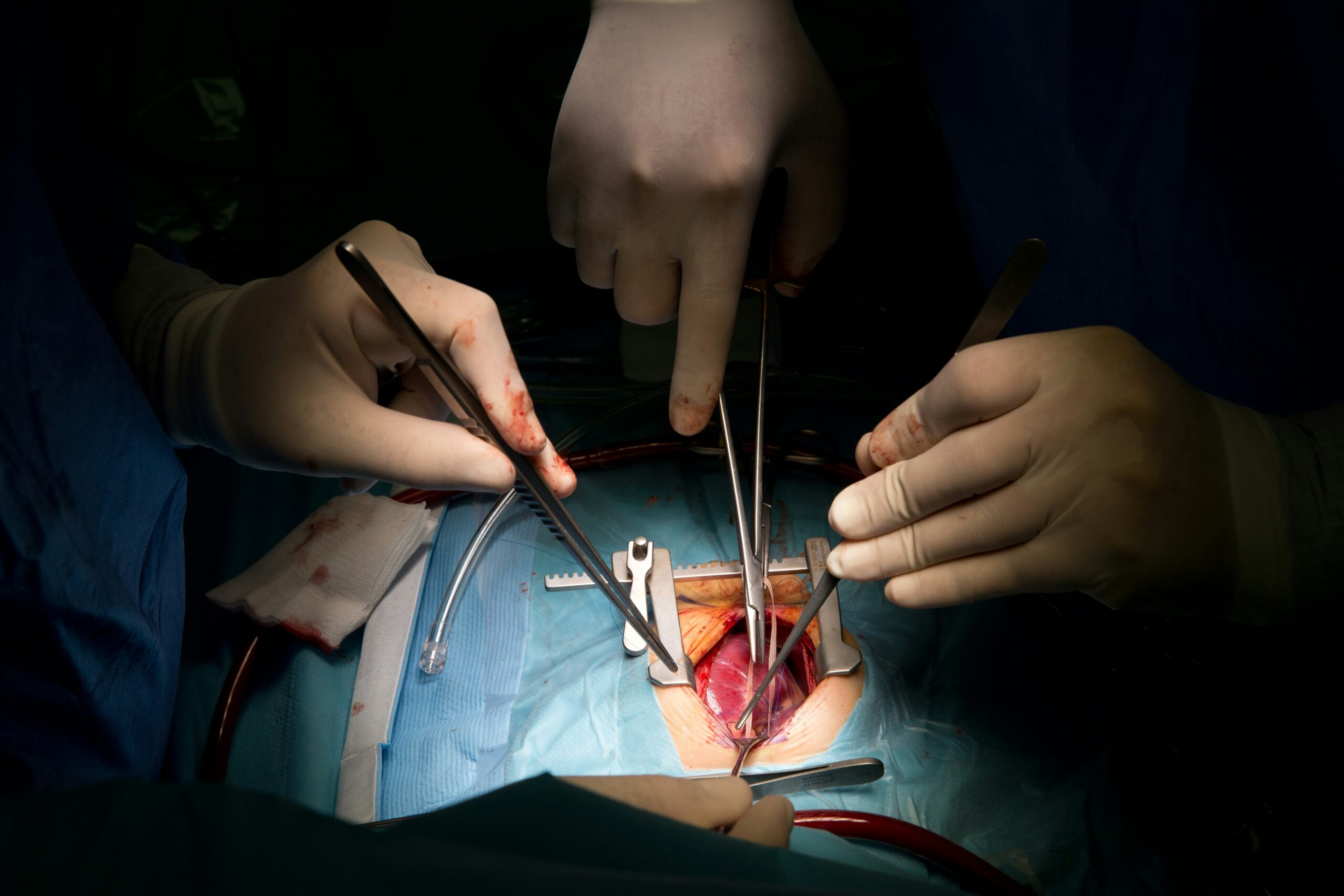
What Is an Aortic Aneurysm
An aortic aneurysm is a swelling in the wall of the aorta. The aorta is the main blood vessel that carries blood from the heart to the rest of the body. When part of this vessel becomes weak, it can bulge outward. This bulge can grow over time. If it gets too large, it may burst. This can cause serious bleeding and can be life-threatening.
Doctors often find an aortic aneurysm during routine tests. Some people do not feel any symptoms. Others may feel pain in the chest, back, or belly. Early detection helps prevent serious problems.
Why Aortic Aneurysm Surgery Is Needed
Aortic aneurysm surgery is needed when the aneurysm becomes large or grows quickly. Small aneurysms may only need regular checkups. Doctors watch them with scans. If the aneurysm reaches a certain size, surgery is often the safest choice.
The goal of aortic aneurysm surgery is to prevent rupture. A rupture can happen without warning. Surgery helps repair or replace the weak part of the aorta. This lowers the risk of sudden damage.
Types of Aortic Aneurysm Surgery
There are two main types of aortic aneurysm surgery. The choice depends on the size and location of the aneurysm, as well as the patient’s health.
Open surgery is the traditional method. In this procedure, the surgeon makes a large cut in the chest or abdomen. The damaged part of the aorta is removed and replaced with a graft. A graft is a strong tube made of synthetic material.
Endovascular repair is a less invasive option. In this method, the surgeon inserts a small tube through a blood vessel, usually in the groin. A stent graft is guided to the aneurysm. It supports the weak area from inside the vessel. This method often leads to faster recovery.
How to Prepare for Surgery
Preparation is an important part of aortic aneurysm surgery. Doctors will run tests such as blood work, scans, and heart checks. These tests help ensure the patient is ready for surgery.
Patients may need to stop certain medicines before the procedure. Smoking should be stopped, as it affects healing. Eating a healthy diet and staying active can also help improve outcomes.
It is helpful to talk with the doctor about risks and benefits. Understanding the process can reduce fear and stress.
What Happens During the Procedure
During aortic aneurysm surgery, the patient is placed under general anesthesia. This means they will be asleep and feel no pain.
In open surgery, the surgeon carefully removes the damaged section of the aorta. The graft is then sewn into place. Blood flow is restored through the graft.
In endovascular repair, the surgeon uses imaging tools to guide the stent graft into position. The graft expands and supports the vessel wall.
The length of the surgery depends on the method used. It can take several hours.
Risks and Possible Complications
Like any major procedure, aortic aneurysm surgery carries some risks. These include infection, bleeding, and blood clots. There is also a risk of heart or lung problems.
Endovascular repair usually has fewer risks than open surgery. However, it may require more follow-up visits. Sometimes, additional procedures are needed later.
Doctors take many steps to reduce these risks. Careful planning and skilled teams improve safety.
Recovery After Aortic Aneurysm Surgery
Recovery time depends on the type of aortic aneurysm surgery. Open surgery usually requires a longer hospital stay. Patients may stay in the hospital for about a week or more. Full recovery can take several weeks.
Endovascular repair often allows patients to go home sooner. Many return to normal activities within a few weeks.
During recovery, patients should follow all medical advice. This includes taking medicines, attending follow-up visits, and avoiding heavy lifting. Walking and light activity can help improve strength.
Long Term Care and Lifestyle Changes
After aortic aneurysm surgery, long term care is important. Regular checkups help ensure the repair is working well. Imaging tests may be done to monitor the aorta.
Healthy habits can lower the risk of future problems. These include eating a balanced diet, staying active, and keeping blood pressure under control. Avoiding smoking is also very important.
Managing stress and maintaining a healthy weight can support heart health. Small changes can make a big difference over time.
When to Seek Medical Help
It is important to know when to seek help after aortic aneurysm surgery. Sudden pain in the chest, back, or abdomen should not be ignored. Shortness of breath or dizziness also needs attention.
If there are signs of infection, such as fever or redness at the surgery site, a doctor should be contacted. Early care can prevent serious issues.
Final Thoughts on Aortic Aneurysm Surgery
Aortic aneurysm surgery is a life-saving treatment for many people. It helps prevent dangerous complications and improves long term health. With modern techniques, many patients recover well and return to normal life.
Understanding the condition and the treatment process can help patients feel more confident. With proper care and follow-up, the outlook after aortic aneurysm surgery is often very positive.