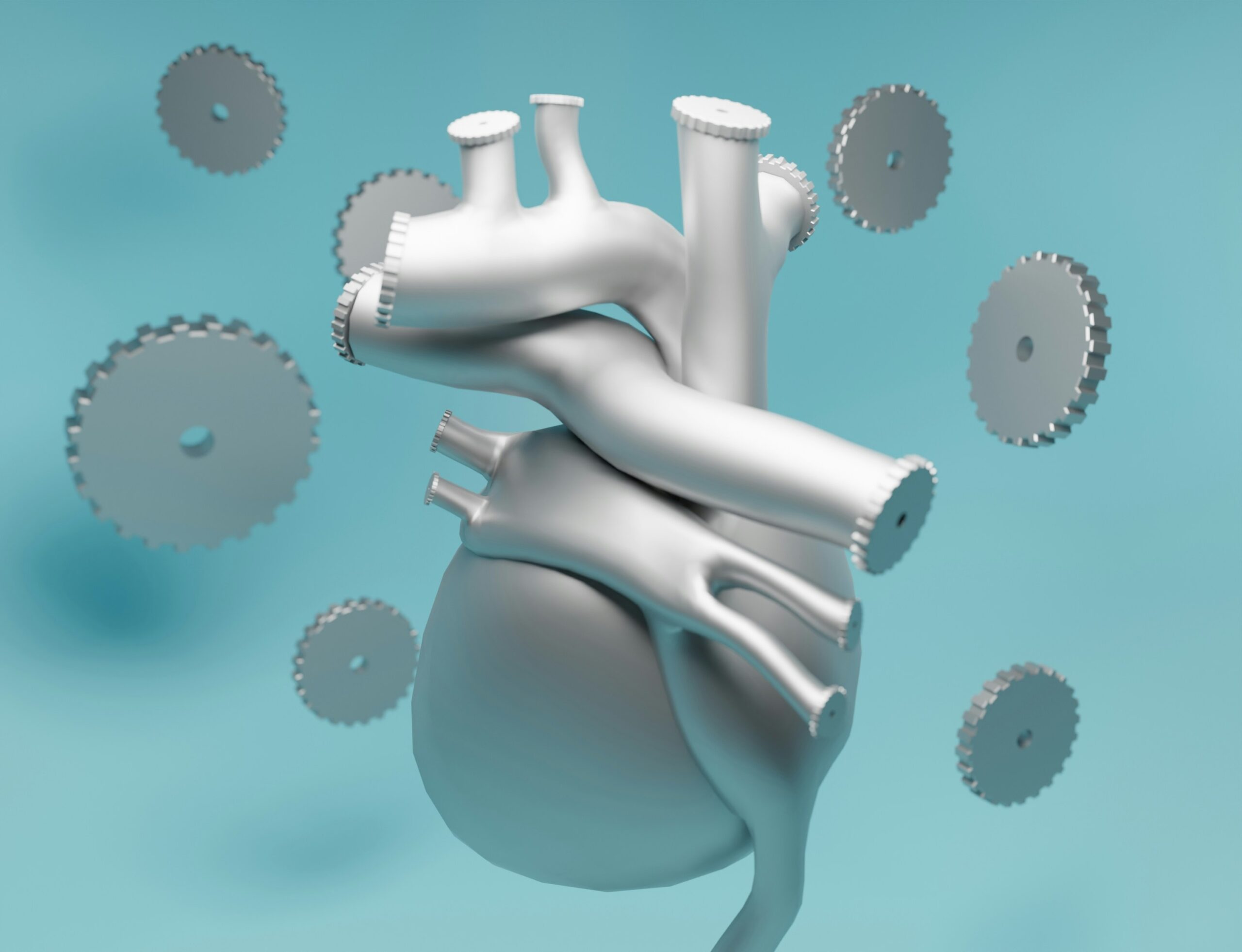
Cardiovascular engineering and medicine stand at the intersection of science, technology, and clinical care, shaping how professionals diagnose, treat, and prevent heart and vascular diseases. As cardiovascular conditions remain a leading cause of mortality worldwide, this interdisciplinary field plays a crucial role in advancing patient outcomes. Engineers and clinicians collaborate closely to design devices, develop therapies, and refine diagnostic tools that improve the quality of care. Consequently, this partnership continues to transform modern healthcare in meaningful ways.
Moreover, integrating engineering principles into medicine has accelerated innovation at an unprecedented pace. From advanced imaging systems to life-saving implants, cardiovascular engineering supports every stage of patient care. As a result, healthcare providers can deliver more precise, efficient, and personalized treatments. This ongoing evolution highlights the importance of combining technical expertise with clinical insight to address complex cardiovascular challenges.
The Foundations of Cardiovascular Engineering
Cardiovascular engineering builds upon principles from biomechanics, materials science, and fluid dynamics to understand how the heart and blood vessels function. By analyzing blood flow, pressure, and vessel elasticity, engineers gain insights into the mechanical aspects of the cardiovascular system. These insights help guide the development of medical devices and treatment strategies. As a result, researchers can develop solutions that closely align with the body’s natural processes.
In addition, this field emphasizes the importance of translating theoretical knowledge into practical applications. Engineers work alongside physicians to ensure that innovations meet clinical needs and improve patient outcomes. This collaboration fosters a deeper understanding of both the technical and medical aspects of cardiovascular care. Consequently, it enables the creation of technologies that are both effective and safe for patient use.
Advancements in Medical Devices
Medical devices are among the most significant contributions of cardiovascular engineering. Innovations such as pacemakers, stents, and artificial heart valves have revolutionized the treatment of heart disease. These devices are designed to restore normal function and improve the patient’s quality of life. As technology advances, devices continue to shrink, become more durable, and become more efficient.
Furthermore, engineers are constantly exploring new materials and designs to enhance device performance. For example, biocompatible materials reduce the risk of rejection and complications, while advanced coatings improve durability. As a result, patients benefit from longer-lasting and more reliable treatments. These advancements demonstrate how engineering continues to drive progress in cardiovascular medicine.
The Role of Imaging and Diagnostics
Imaging and diagnostic technologies play a vital role in modern cardiovascular care. Engineers have developed sophisticated tools such as echocardiography, computed tomography, and magnetic resonance imaging to visualize the heart and blood vessels. These technologies allow clinicians to detect abnormalities early and plan appropriate treatments. Consequently, early diagnosis significantly improves patient outcomes.
In addition, advancements in imaging have enhanced the accuracy and detail of diagnostic procedures. High-resolution images provide a clearer understanding of complex conditions, enabling more precise interventions. As technology continues to evolve, diagnostic tools are becoming faster and more accessible. This progress ensures that patients receive timely and effective care, even in challenging clinical situations.
Minimally Invasive Treatment Approaches
Cardiovascular engineering has played a key role in the development of minimally invasive treatment techniques. Procedures such as catheter-based interventions allow clinicians to treat conditions without the need for open surgery. These approaches reduce physical trauma, shorten recovery times, and lower the risk of complications. As a result, patients often experience a smoother and faster return to daily life.
Moreover, engineers continue to refine the tools and technologies used in these procedures. Advanced catheters, imaging guidance systems, and robotic assistance enhance precision and control. This level of innovation allows clinicians to perform complex interventions with greater confidence. Consequently, minimally invasive techniques have become a cornerstone of modern cardiovascular medicine.
Tissue Engineering and Regenerative Medicine
Tissue engineering and regenerative medicine represent exciting frontiers in cardiovascular care. Researchers are exploring ways to repair or replace damaged heart tissue using biological materials and stem cells. This approach aims to restore function rather than manage symptoms. As a result, it holds the potential to transform how clinicians treat chronic cardiovascular conditions.
In addition, advancements in biomaterials and cellular engineering have enabled the creation of scaffolds that support tissue growth. These scaffolds mimic the heart’s natural environment, promoting healing and regeneration. As research progresses, these technologies may lead to the development of fully functional, lab-grown heart tissues. This possibility underscores the transformative potential of combining engineering with medicine.
Data Science and Personalized Medicine
Data science has become an integral component of cardiovascular engineering and medicine. By analyzing large datasets, researchers can identify patterns and trends that inform clinical decision-making. This approach enables the development of predictive models that assess patient risk and guide treatment strategies. Consequently, data-driven insights improve both prevention and management of cardiovascular diseases.
Furthermore, personalized medicine is gaining traction due to these advancements. Engineers and clinicians can tailor treatments based on individual patient characteristics, such as genetics and lifestyle factors. This customization enhances the effectiveness of therapies and reduces the likelihood of adverse outcomes. As technology continues to evolve, personalized approaches will play an increasingly important role in cardiovascular care.
Challenges in Integration and Implementation
Despite its many advancements, cardiovascular engineering and medicine face several challenges. One of the primary issues is the complexity of integrating new technologies into clinical practice. Healthcare providers must ensure that innovations are safe, effective, and compatible with existing systems. This process often requires extensive testing and regulatory approval, which can delay implementation.
Additionally, the cost of advanced technologies can limit accessibility for some patients and healthcare systems. While innovations offer significant benefits, they must also be affordable and scalable. Engineers and policymakers must work together to address these challenges and ensure equitable access to care. By overcoming these barriers, the field can continue to advance and benefit a broader population.
Collaboration Between Engineers and Clinicians
Collaboration between engineers and clinicians is essential for the success of cardiovascular engineering and medicine. Engineers bring technical expertise, while clinicians provide insights into patient needs and clinical realities. This partnership ensures that innovations are both practical and effective. As a result, interdisciplinary collaboration drives meaningful progress in the field.
Moreover, this collaboration fosters a culture of innovation and continuous improvement. By working together, professionals can identify gaps in care and develop solutions that address real-world challenges. This teamwork not only enhances the quality of care but also accelerates the pace of discovery. Consequently, collaboration remains a cornerstone of advancement in cardiovascular medicine.